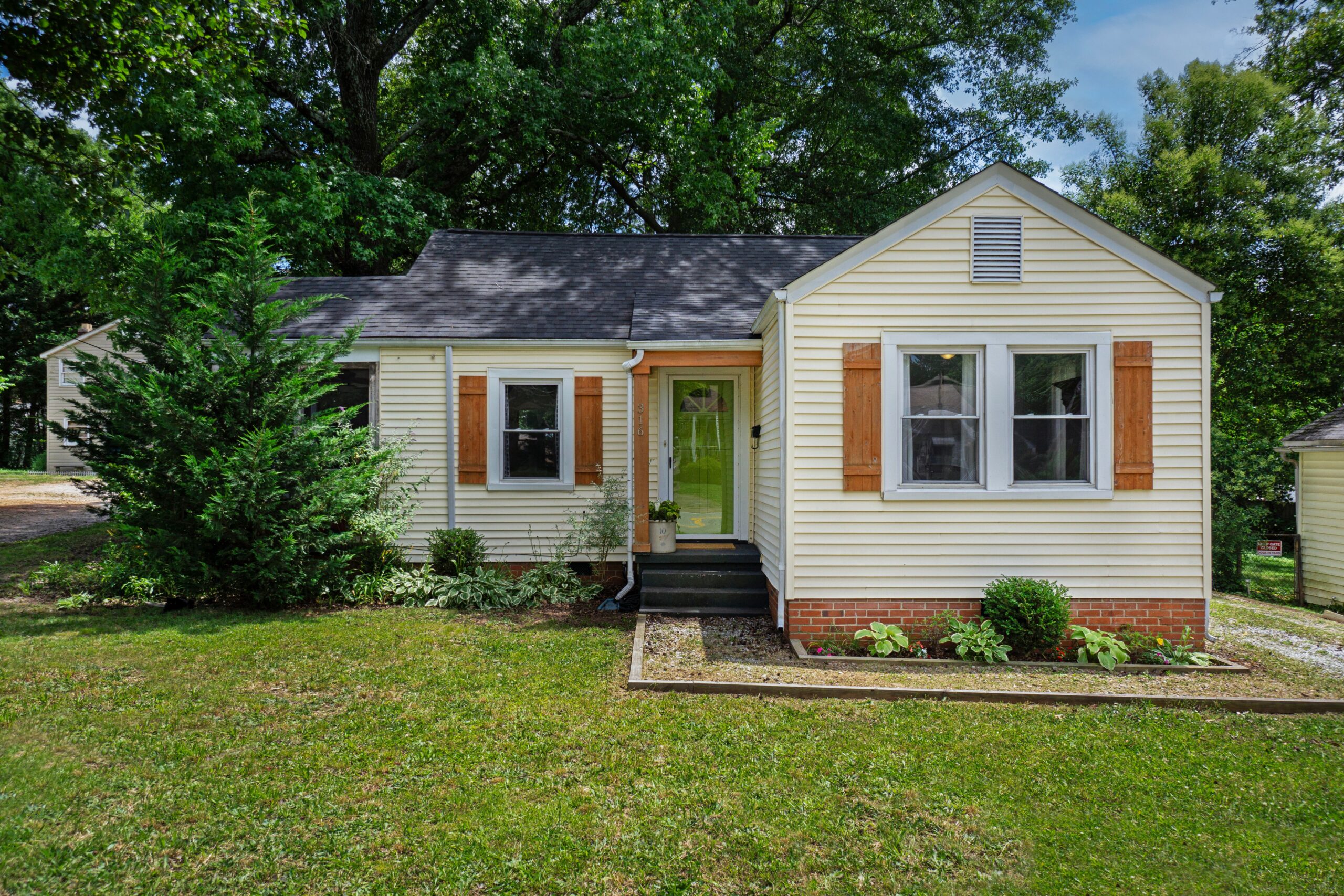
Buying your first home is one of those milestone moments that manages to be thrilling and terrifying in equal measure. You’re building equity instead of paying rent, you’re putting down roots, and you finally have a space that’s entirely your own to shape as you see fit. At the same time, the sheer weight of the decision can feel overwhelming. A home purchase isn’t like buying a car or even a piece of furniture you can return if it doesn’t work out. It’s a long-term commitment involving serious money, so getting it right matters.
The good news is that most first-time buyers ask the same handful of questions, and most starter-home mistakes stem from ignoring the same handful of warning signs. Below are seven keys that can help guide you toward a smart, confident decision.
1. Get Brutally Honest About Your Finances
It’s tempting to start house hunting by scrolling listings and falling in love with a kitchen island before you’ve even talked to a lender. But the smarter first step is understanding exactly what you can afford, not just what you qualify for. A mortgage lender might approve you for more than you’re actually comfortable spending each month once you factor in utilities, maintenance, property taxes, and the occasional surprise expense like a broken water heater.
Take time to calculate a realistic monthly budget that leaves breathing room for emergencies and other financial goals. Get pre-approved so you know your true price range, and don’t stretch to the very top of it just because you can. Starter homes are meant to be a stepping stone, not a financial straightjacket.
2. Think About Resale Value From Day One
It might feel strange to think about selling a home before you’ve even bought it, but starter homes are, by definition, usually not “forever homes.” Life changes—careers shift, families grow, priorities evolve—and there’s a good chance you’ll want to move again within five to ten years.
This means it’s worth paying attention to factors that affect resale value even if they don’t matter much to you personally. A home in a strong school district, for example, will likely appeal to a wider pool of future buyers even if you don’t have kids. Similarly, a functional floor plan, a reasonable lot size, and a neighborhood with a track record of appreciation will serve you well when it’s time to sell. Buying with the next buyer in mind isn’t cynical; it’s smart long-term financial planning.
3. Location Still Matters More Than Almost Anything Else
You’ve heard the real estate cliché a thousand times, but it persists because it’s true. You can renovate a kitchen, repaint walls, or replace flooring, but you can’t change a home’s location. Consider your commute to work, proximity to family, access to grocery stores and healthcare, and the general trajectory of the neighborhood.
It’s also worth spending time in a prospective neighborhood at different times of day. A quiet street at 10 a.m. on a Tuesday might feel completely different at 7 p.m. on a Friday. Drive by during rush hour, walk around on a weekend, and talk to a few neighbors if you get the chance. These details rarely show up in listing photos, but they shape your day-to-day happiness far more than granite countertops ever will.
4. Right-Size the Home to Your Actual Needs
One of the most common first-time buyer mistakes is overbuying or underbuying on space. It’s easy to get seduced by an extra bedroom or a bonus room “just in case,” but every additional square foot comes with a higher price tag, higher taxes, and higher utility bills.
Think honestly about how you live now and how you’re likely to live in the next five years or so. Do you need a home office? Are you planning to grow your family? Do you entertain often, or do you prefer smaller, cozier spaces? A starter home doesn’t need to accommodate every possible future scenario—that’s what your next home is for—but it should comfortably fit your near-term reality without forcing you to pay for space you won’t use.
5. Don’t Underestimate the Importance of Condition Over Cosmetics
New buyers often fall into one of two traps: they either get scared off by ugly wallpaper and dated fixtures, or they get charmed by a beautifully staged home and overlook serious underlying issues. Both mistakes can cost you.
Cosmetic issues like paint color, outdated light fixtures, or worn carpet are inexpensive and easy to fix over time. Structural or mechanical issues, on the other hand, can be expensive and disruptive. Pay close attention to the roof’s age, the condition of the HVAC system, plumbing and electrical systems, foundation integrity, and signs of water damage. A professional home inspection is non-negotiable here; it’s one of the best investments you’ll make in the entire buying process, and it can save you from inheriting someone else’s expensive problems.
6. Prioritize Features That Improve Daily Life, Not Just Wow Factor
It’s easy to be dazzled by a stunning primary suite or a chef’s kitchen during an open house, but ask yourself what features will actually improve your daily routine. A short commute, in-unit laundry, adequate storage, a functional layout, and a safe walkable neighborhood often matter more day-to-day than a luxurious feature you might use occasionally.
This doesn’t mean you should ignore features you love entirely, but it does mean prioritizing function over flash when trade-offs arise. A home that makes your everyday life easier will bring more satisfaction over time than one that simply photographs well.
7. Be Patient and Avoid Emotional Decision-Making
Perhaps the hardest key to master is patience. First-time buyers often feel pressure—real or perceived—to make an offer quickly, especially in competitive markets. This urgency can lead to rushed decisions, waived inspections, or settling for a home that doesn’t truly meet your needs just because you’re tired of searching.
It helps to remember that the right home will come along, and that walking away from a listing that doesn’t feel right is always an option. Keep your must-haves and deal-breakers clearly defined before you start touring homes, and refer back to that list whenever emotions start to take over. A calm, well-informed buyer almost always ends up happier than one who rushes to the finish line.
Bringing It All Together
Finding a good starter home is rarely about finding perfection; it’s about finding the right balance between financial comfort, practicality, and long-term value. When you combine a clear-eyed view of your finances with careful attention to location, condition, and future resale potential, you put yourself in a strong position to make a confident decision.
Buying your first home is a milestone worth celebrating, but it’s also a decision that deserves patience and diligence. By keeping these seven keys in mind, you’ll be well-equipped to navigate the search process, avoid common pitfalls, and land in a home that truly sets you up for success—both now and as your life continues to evolve.